Is The Basilica Cistern Free? What It Actually Costs To Visit
The Basilica Cistern is one of Istanbul's most photographed interiors, and one of the few Old City sights that was never free to walk into. Its ticketing went through an administrative reshuffle in 2026, which makes the cost question more tangled than it looks.
Short answer
No, the Basilica Cistern is not free. It is a paid attraction, run by Istanbul Metropolitan Municipality's culture arm and ticketed through the Passo system, with a foreign daytime tariff that was around 1,950 TL before a June 2026 management handover reset pricing. Confirm the current figure on site before you go.
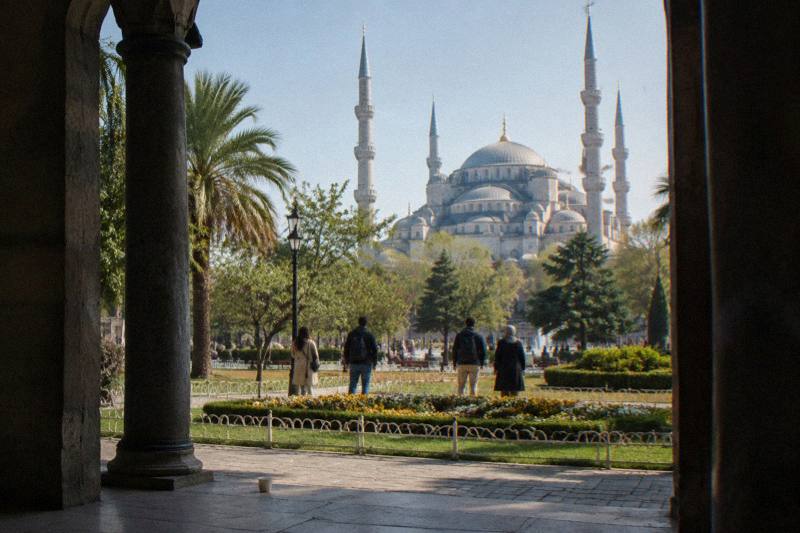
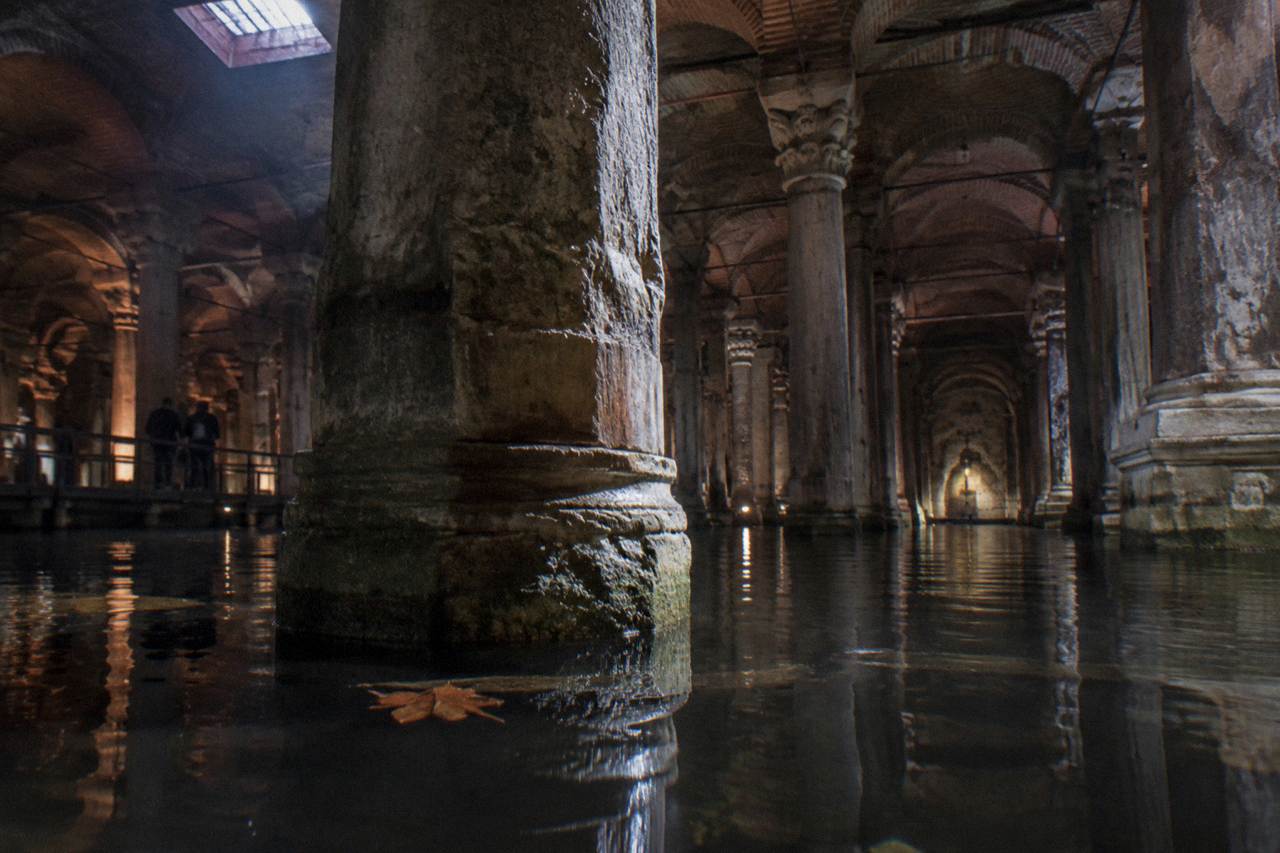
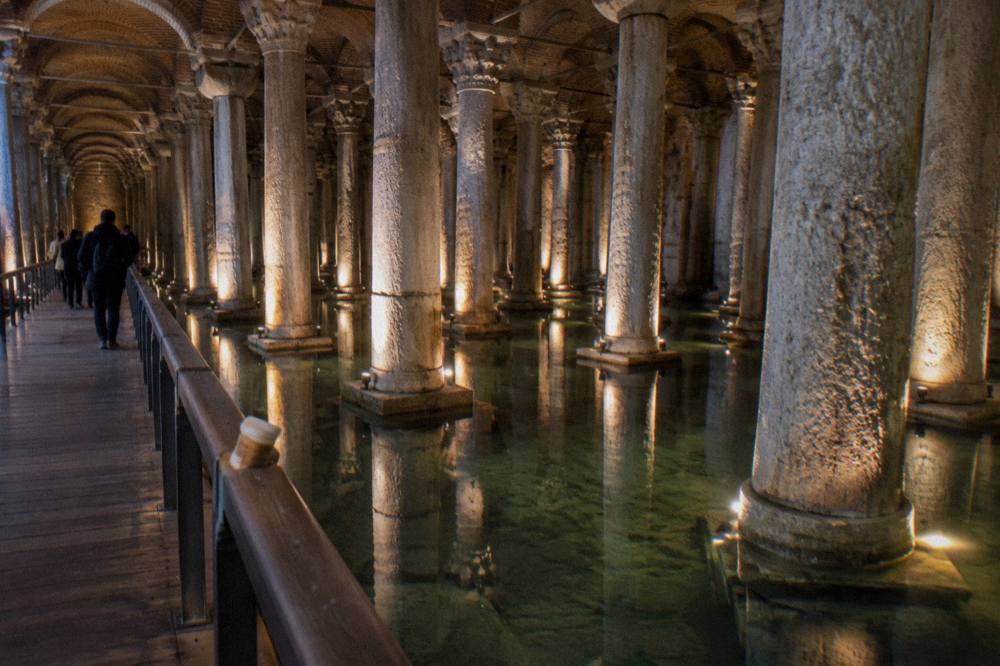
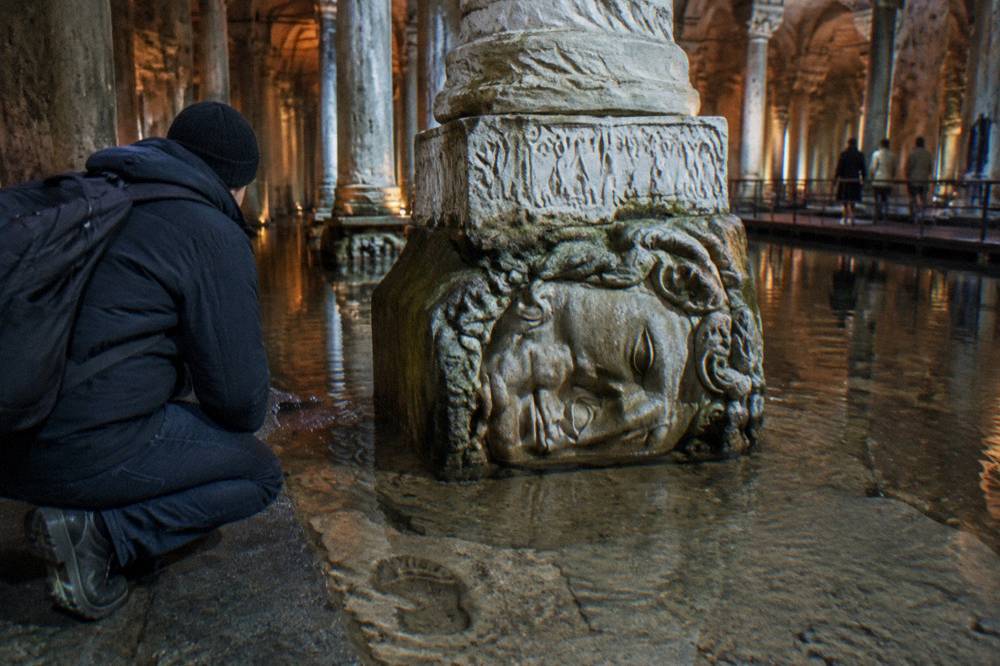
The Basilica Cistern, known locally as Yerebatan Sarnıcı, sits directly across the tram tracks from Hagia Sophia, and it is the one headline Old City sight that has never operated on a free or donation basis. Built as a covered Byzantine water store, its columns still stand in long rows beneath the street, and the famous Medusa-head column bases at the far end draw most of the camera lenses in the room. The question of whether it is free comes up constantly because so much around it genuinely is: the Blue Mosque costs nothing, Hagia Sophia's ground floor costs nothing, and the plaza between them is one of the great free public spaces in Europe. The cistern is the exception, and its cost story got more complicated in mid-2026 when its operator changed. This guide sets out what is settled, what is contested, and what to do with your money instead if the ticket price bites.
Is The Basilica Cistern Free To Enter?
No. The Basilica Cistern is a paid attraction in every practical sense: there is no free entry tier for foreign visitors, no free day, and no worship loophole as there is at the city's great mosques. It is run by Istanbul Metropolitan Municipality's culture company and ticketed through the Passo system, and a June 2026 handover to the state foundations directorate briefly closed it and reset its pricing.
That is the short version. The longer version matters because Istanbul's free and paid attractions are governed by separate rulebooks that visitors routinely blend together, and the cistern belongs to the municipal one rather than the mosque or state-museum systems. The Diyanet oversees worship functions in mosques, the Ministry of Culture and Tourism runs the state museum tickets at places like Topkapi Palace, and the Directorate of National Palaces runs Dolmabahce separately from all of them. The Basilica Cistern sits in a fourth bucket: municipal cultural venues, alongside the Serefiye Cistern and Miniaturk, run by IBB's Kultur A.S. arm and ticketed through Passo. One of the free walking routes passes through here: Best-Of Walk, English Or Spanish.
The practical consequence is that none of the free-entry logic you might apply elsewhere in the city transfers here. Hagia Sophia's ground floor is free because it is a functioning mosque, and its upper gallery charges roughly 25 EUR for foreign visitors. The Blue Mosque charges nothing at all. The cistern has no worship function and no corresponding free tier, so the only question is what the ticket costs, which is where the 2026 changes come in.
What Happened To The Cistern's Ticketing In 2026?
On 2 June 2026 the Basilica Cistern closed during an administrative handover from Istanbul Metropolitan Municipality to the General Directorate of Foundations, and it reopened on 6 June 2026 under new management with its ticketing arrangements reset. The prior daytime foreign tariff was around 1,950 TL, and the new structure was still being confirmed on site in the weeks after reopening. One of the free walking routes passes through here: 3-Hour Byzantine & Ottoman Tales.
The closure lasted only days, but it marked a genuine change of operator for one of the city's most visited interiors. Independent reporting on the handover is thin and the operator's own channels have not settled on a single canonical price page, which is why this site treats the cistern's current tariff as contested rather than resolved: sources differ on the exact figure post-handover, and the honest advice is to confirm the price at the entrance rather than budget from a number you read before travelling. Some transition-period reports even noted stretches of free entry for certain visitors, which is exactly the kind of temporary arrangement that should never be quoted as a standing rule.
What is not contested is the shape of the answer to the search question: before the handover the cistern was firmly paid, and after the handover it reopened as a paid venue. The handover changed who collects the money, not whether money is collected. If a blog or forum post from before June 2026 quotes you an exact price as a current fact, treat it as a historical figure from the municipal era, roughly 1,950 TL for foreign daytime entry, and check the live situation at the door.
For orientation, the cistern's own city listing is the most useful single reference point for status and opening details, and it is worth a look before you travel: the Istanbul city page for the Basilica Cistern. The handover itself was covered in trade press at the time, including a June 2026 report on the closure and management transfer. This stop sits on a free walking route, Night Walk, Headphones, Spanish.
If the ticket price gives you pause, the same square supports a deep bench of free walks, and the three below are the strongest starting points for the streets directly above the cistern.
What Does A Sultanahmet Day Cost If The Cistern Is Paid?
A realistic Sultanahmet day pairs the cistern's paid ticket with several genuinely free sights around it: Hagia Sophia's ground-floor worship space costs nothing, the Blue Mosque costs nothing, Gulhane Park costs nothing, and Topkapi's outer First Court can be walked through for free even though the palace itself is ticketed. The cistern is usually the single paid line on an otherwise free itinerary. One of the free walking routes passes through here: Classic Old Town Walk.
That framing is worth dwelling on because it is the honest answer to most visitors' real question, which is not "is the cistern free" but "how much of this neighbourhood can I do without paying." The answer is: most of it. The free layer of Sultanahmet is unusually thick, and this site documents it attraction by attraction, from the mosque interiors to the waterfront stretch along the Sea of Marmara. The cistern is one of the few things that sits outside that layer, alongside the paid upper gallery at Hagia Sophia and the palace interiors at Topkapi.
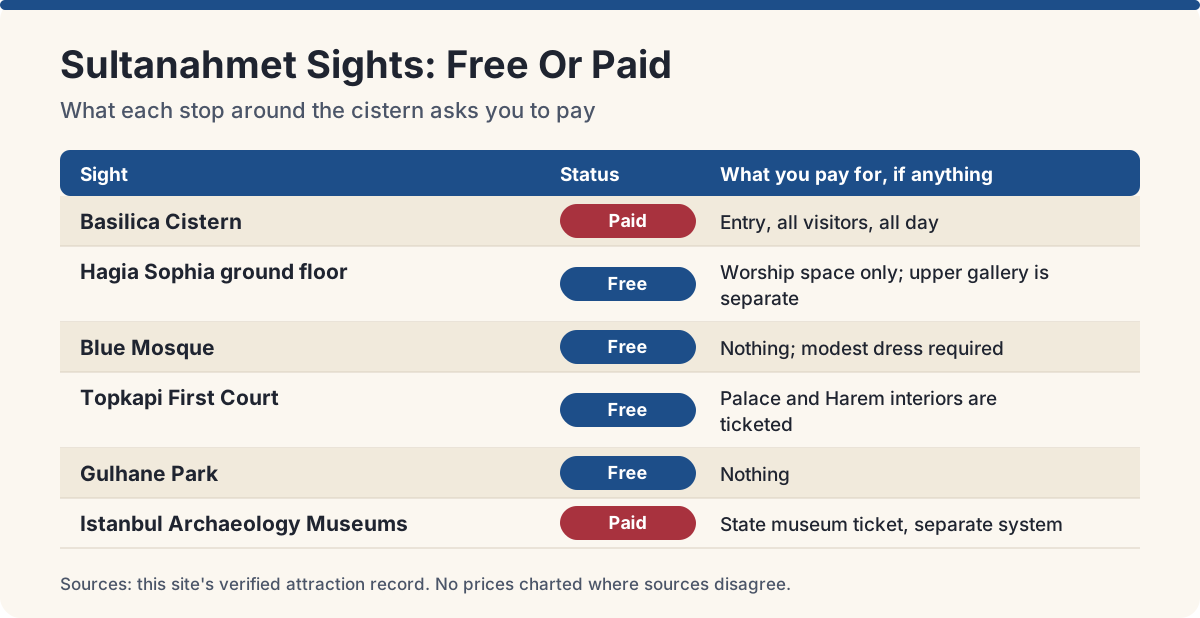
| Sight | Free status | What you pay for, if anything |
|---|---|---|
| Basilica Cistern | Paid | Entry, all visitors, all day |
| Hagia Sophia ground floor | Free | Worship space only; upper gallery roughly 25 EUR for foreign visitors |
| Blue Mosque | Free | Nothing; modest dress required |
| Topkapi First Court | Free | Palace and Harem interiors are ticketed; structure of that ticket is contested |
| Gulhane Park | Free | Nothing |
| Istanbul Archaeology Museums | Paid | State museum ticket, separate system entirely |
Notice how many separate rulebooks that table spans. The cistern is municipal, Hagia Sophia's gallery is a Ministry of Culture ticket on top of a Diyanet worship space, Topkapi is a state palace museum with a ticketing structure that sources currently disagree on, and the Blue Mosque is simply free because it is a mosque. None of these operators honour each other's logic, and the Istanbul Museum Pass does not rescue you at the cistern: it is one of the notable exclusions from the pass, which covers the state sites such as Topkapi and the Archaeology Museums but not municipal or palace-directate venues. A free walk covers this ground: Haktan's Constantinople Walk.
If your budget only stretches to one paid interior in this neighbourhood, the honest comparison is between the cistern's atmospheric underground hall and Hagia Sophia's gallery view from above the nave. Both are paid, both are short visits, and neither is covered by the pass. Everything else within a five minute walk is free.
Can You See Any Of The Cistern Without Paying?
Not really. Unlike the hilltop-and-tower pairs elsewhere in the city, the cistern offers no free vantage point: it is fully underground, and there is no public spot from which to see the columns or the Medusa heads without a ticket. The only genuinely free cistern-adjacent experiences are the streets above it and the sights around it.
Istanbul has a recurring pattern where a free thing and a paid thing share a name, and the honest version of this guide has to say plainly that the Basilica Cistern is not one of those pairs. Camlica Hill is free while the TV tower on it charges; Pierre Loti Hill is free while the cable car up to it charges; Yildiz Park is free while the palace museum inside it charges. The cistern inverts the pattern: there is no free hill, only the paid hole in the ground. What you can do for free is stand above it, on the street that gives the cistern its local name, and know that a Byzantine water-engineering project sits directly beneath your feet. One of the free walking routes passes through here: Illuminated Night History Walk.
There is one partial alternative worth naming, with a caveat attached. The Serefiye Cistern, a smaller and quieter Byzantine cistern a short walk away near the Beyazit end of the old city, is also paid and also run by the municipal culture company, so it is not a free substitute, only a less crowded paid one. Sources differ on whether it currently offers any promotional entry, and this site does not assert a price for it. The genuinely free underground-adjacent experience in Istanbul is not a cistern at all: it is the mosque interiors, several of which contain Byzantine and Ottoman stonework you can stand next to for nothing.
Is The Basilica Cistern Worth The Ticket Price?
For most visitors, yes, with conditions: the cistern is a fifteen to thirty minute visit, it is the only large Byzantine underground hall you can enter in the city centre, and its atmosphere depends heavily on crowd levels, so an off-peak arrival matters more than the ticket price itself. If your budget is tight, the free layer of Sultanahmet delivers more hours of wonder per lira.
The case for paying is straightforward. The hall is genuinely unlike anything else in the city: a forest of columns, many of them recycled from older buildings, standing in water that reflects the vaults, with the famous Medusa-head bases at the far corner set sideways and upside down. Photography of the Medusa heads is the single most common reason people give for going, and the low light does half the work for you.
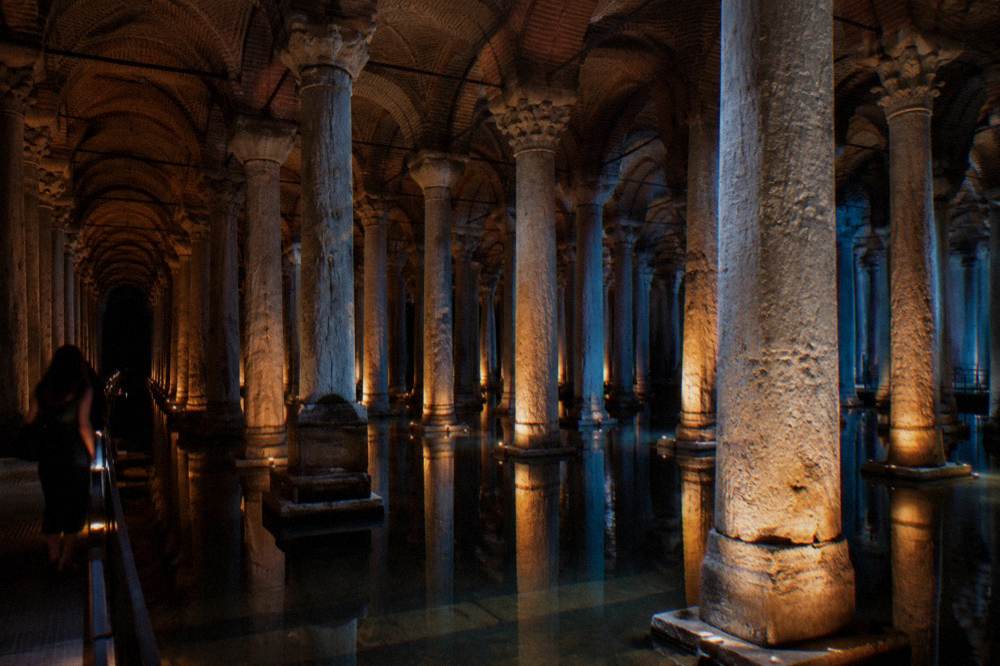
The case against paying is equally honest. At peak times the walkway is a slow-moving queue of people taking the same photograph, the visit is short, and the exit routes you through a cafe and shop. If you arrive mid-afternoon in high season, you are paying a contested, recently reset tariff for a crowded twenty minutes. Arriving at opening, or late in the day, changes the experience enough that many repeat visitors treat timing as part of the ticket.
The budget alternative is to spend nothing and walk. A free walking tour of the Old City covers the streets directly above the cistern, and the highest-reviewed English walk in the Sultanahmet roster is a strong fit for exactly this itinerary: the Old Byzantine and Ottoman Tales walk, rated 4.98 out of 5 across 3,553 GuruWalk reviews, runs three hours in English and meets at Binbirdirek, a couple of minutes from the cistern's front door. You can read more about it on the Old Byzantine and Ottoman Tales tour page. Reserving a GuruWalk walk costs nothing upfront; the guide is paid by tips, and you decide what that is worth after the walk.
Which Free Walking Tours Cover The Cistern's Neighbourhood?
The cistern sits in the heart of the Sultanahmet coverage zone, where this site's roster lists sixteen free walks, more than any other part of the city. All of them meet within a few minutes' walk of the cistern entrance, most at Binbirdirek or the German Fountain on the Hagia Sophia side of the square.
Sultanahmet is the densest cluster of free walking tours in Istanbul, and the meeting points tell the story: Binbirdirek, the German Fountain, Sultan Ahmet Park. From any of them you can see the cistern's entrance sign. That makes a free walk the natural companion to a paid cistern visit, in either order: walk the neighbourhood first for context, then descend; or descend first, then have the streets above explained while you decompress from the low light. One of the free walking routes passes through here: Highlights Plus Secret Gems.
| Walk | Rating and reviews | Duration | Language |
|---|---|---|---|
| Old Byzantine and Ottoman Tales | 4.98 out of 5 across 3,553 reviews | 3:00 | English |
| Secret Gems of Istanbul | 4.94 out of 5 across 1,294 reviews | 2:30 | English |
| Classic Old Town | 4.99 out of 5 across 346 reviews | 2:00 | English |
| Istanbul Essentials in Hours | 4.91 out of 5 across 395 reviews | 2:00 | English |
All four are GuruWalk listings run by independent local guides, and all four are free to reserve with tips at the end. The choice between them is mostly a pacing choice: three hours with the Byzantine and Ottoman deep dive, or two hours if the cistern and the mosques are already filling your day. If you want the fuller picture of how these walks work, including the tipping economics, the guide to free walking tours in Istanbul breaks down the whole roster by neighbourhood.
One walk worth flagging for a different reason: the Essentials in Hours walk, rated 4.91 out of 5 across 395 reviews, is explicitly built for visitors with limited time, two hours in English from a Binbirdirek meeting point. If the cistern is one stop on a single packed day, that is the walk that respects the clock.
How Do You Get To The Cistern, And What Does Transit Cost?
The cistern is a two minute walk from the Sultanahmet tram stop, and a single full-fare ride on any municipal line costs 46.20 TL on an Istanbulkart, with the card itself costing around 165 TL on top of the credit you load. Transit is cheap but it is not free, and this site does not count it as a free activity.
The tram from Kabatas or Eminonu drops you almost at the door, and the walk from the stop passes the Hagia Sophia's flank, which is itself one of the better free views in the city. If you are staying in Karakoy or Galata, the funicular plus tram combination is the standard route, all on the same card. Current fare levels come from the municipal tariff: 46.20 TL for a full single ride following the mid-2026 adjustment, 22.55 TL for students, and a card purchase of roughly 165 TL before you load anything onto it, as reported in the 2026 Istanbul transit tariff coverage. Ferries run a little higher, with many Bosphorus routes at roughly 53 to 59 TL full fare.
| Transit option | Cost | Notes |
|---|---|---|
| Tram to Sultanahmet | 46.20 TL per full ride | Closest stop to the cistern, about a two minute walk |
| Istanbulkart card | Around 165 TL | One-time purchase, separate from loaded credit |
| Student fare | 22.55 TL | Requires a student card |
| Bosphorus commuter ferry | Roughly 53-59 TL | Standard public ferry, not a private cruise |
The card is the only sensible way to pay. It works on trams, metros, funiculars and ferries, it is reloadable at machines in every station, and tourists buy and use it exactly as residents do. Buy one at the airport or at any station machine and the question of how to reach the cistern answers itself.
What Are The Best Free Alternatives Near The Basilica Cistern?
Within a ten minute walk of the cistern entrance you can visit the Blue Mosque for free, stand in Hagia Sophia's ground-floor worship space for free, walk Topkapi's outer First Court for free, and wander Gulhane Park's full length for free. That is a complete and genuinely memorable day that never buys a ticket.
Start with the mosques, because they are the answer to almost every tight budget in this city. The Blue Mosque is free to enter as a worshipper or visitor, with modest dress required and no separate museum ticket, which distinguishes it from Hagia Sophia next door. Hagia Sophia's ground-floor worship space is likewise free, while its upper gallery route charges roughly 25 EUR for foreign visitors; those are two different facts about one building, and the guide to whether Hagia Sophia is free keeps them separate. The Blue Mosque's own story, including its recently completed restoration, is covered in the guide to whether the Blue Mosque is free.
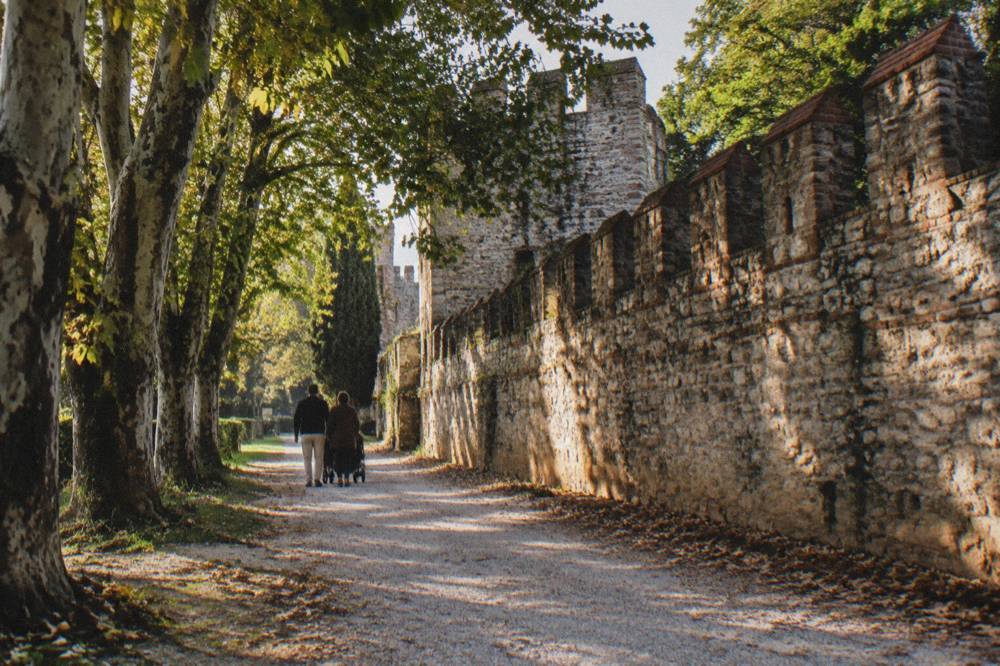
Topkapi's outer courtyard, the First Court, is free to walk through, though the palace itself and the Harem are ticketed and the exact structure of that combined ticket is something sources currently disagree on, so treat any single figure you read as unconfirmed. Gulhane Park, the old palace garden running down toward the sea, is free end to end and is where Sultanahmet's residents actually spend their afternoons. Add the waterfront promenade and you have a free day that most cities could not match. One of the free walking routes passes through here: Ferry Crossing To Asia Included.
If you want to push past Sultanahmet itself, the free layer keeps going. The Asian side is a short ferry ride away and rewards a whole day, as the guide to free things on the Asian side of Istanbul lays out, and the Bosphorus can be seen from land without any boat ticket at all, which the free Bosphorus views guide maps point by point.
How Does The Cistern Compare With A Free Walk Across Two Continents?
The cistern is a short, dark, ticketed interior in the Old City, while the walk is a free public ferry crossing to the Asian side, running 2:30 in English and rated 4.94 out of 5 across 2,735 GuruWalk reviews. They are not substitutes, but if you must pick one, the walk delivers far more time per lira.
The Two Continents walk carries one of the largest review pools in the entire roster, and its appeal is exactly what the cistern cannot offer: daylight, distance and the water. It meets at Cankurtaran, on the Sultanahmet side, and uses the ordinary commuter ferry as part of the route, which means the ferry fare, roughly in the 53 to 59 TL band, is the only cost beyond your tip. For visitors deciding between the cistern ticket and a half day of walking, the comparison is really between fifteen minutes of Byzantine atmosphere and two and a half hours of the city itself.
The honest recommendation is not either-or. The cistern is worth one visit if the budget allows and the timing is right; the walks are what turn a Sultanahmet hotel stay into an actual understanding of the city. And because every walk in this roster is a GuruWalk listing that costs nothing to reserve, with guides paid by tips, the walks fit around whatever you decide to pay for. Free Things To Do In Istanbul exists precisely to make that kind of budgeting decision easy, with every free claim on the site traced to a verified record rather than a forum rumour.
Planning Your Visit: Hours, Timing And Practical Notes
The cistern typically opens around 09:00 and runs daily, but after the June 2026 handover the operating details were still being settled, so confirm hours on site rather than from a cached listing. Go at opening or in the late afternoon to avoid the crowd peak, allow fifteen to thirty minutes inside, and pair it with a free walk in the same square.
Timing matters more here than at most ticketed sights because the interior is small and the walkway is single-file in places. The midday surge, when tour groups move between Hagia Sophia and the Blue Mosque, is the worst window; the first hour and the last hour of the day are noticeably calmer. There is no free day and no discounted window to plan around, so the only lever you control is when you arrive. One of the free walking routes passes through here: 3-Hour Old City & Daily Life.
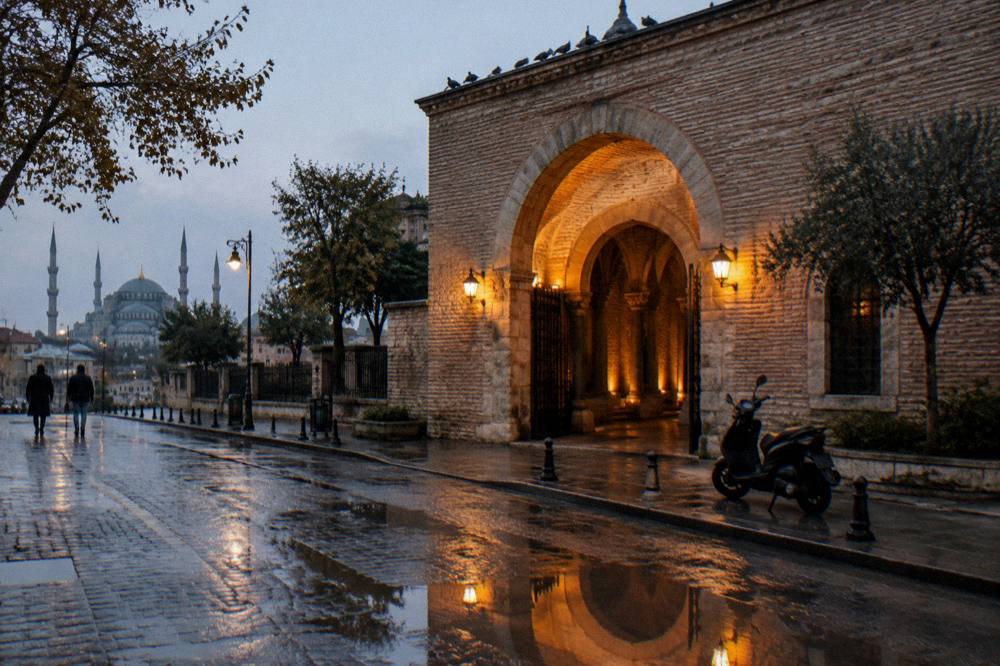
Accessibility is worth a note: the cistern is underground, reached by stairs, and damp underfoot in places, so wear shoes that grip and expect cool air regardless of the season above. Photography is permitted, and tripods are not practical in the crowds. The exit path passes through the cafe, which is skippable.
If you are assembling a full free-first itinerary across the city, the wider picture is in the free museums and free museum days guide, which untangles which institutions are private foundations with their own free windows and which are state or municipal venues that never offer one. The cistern belongs firmly in the second camp, and no free window should be expected for it.
Common Questions About The Basilica Cistern
Is the Basilica Cistern free?
No. It is a paid attraction with no free entry tier for foreign visitors, no free day, and no worship exemption. It is run by Istanbul's municipal culture company and ticketed through the Passo system, and after a June 2026 handover to the state foundations directorate its pricing was reset and should be confirmed on site.
How much does the Basilica Cistern cost?
The daytime foreign tariff was around 1,950 TL before the June 2026 management change. The post-handover price was still being confirmed when the venue reopened on 6 June 2026, so check the figure at the entrance rather than relying on pre-2026 blog prices.
Why did the Basilica Cistern close in June 2026?
It closed on 2 June 2026 during an administrative transfer from Istanbul Metropolitan Municipality to the General Directorate of Foundations, and reopened on 6 June 2026 under the new management with ticketing arrangements reset.
Is the Basilica Cistern covered by the Istanbul Museum Pass?
No. The pass covers state sites such as Topkapi Palace and the Archaeology Museums, but the cistern is a municipal venue outside that system, and it is one of the pass's notable exclusions, alongside Hagia Sophia's gallery and Dolmabahce.
What can I see near the Basilica Cistern for free?
A great deal. The Blue Mosque is free, Hagia Sophia's ground-floor worship space is free, Topkapi's outer First Court is free to walk through, and Gulhane Park is free end to end, all within about ten minutes of the cistern entrance.
Are there free walking tours that include the cistern area?
Yes. The Sultanahmet roster includes sixteen free walks, all meeting within a few minutes of the cistern, most at Binbirdirek or the German Fountain. They are GuruWalk listings, free to reserve, with guides paid by tips.