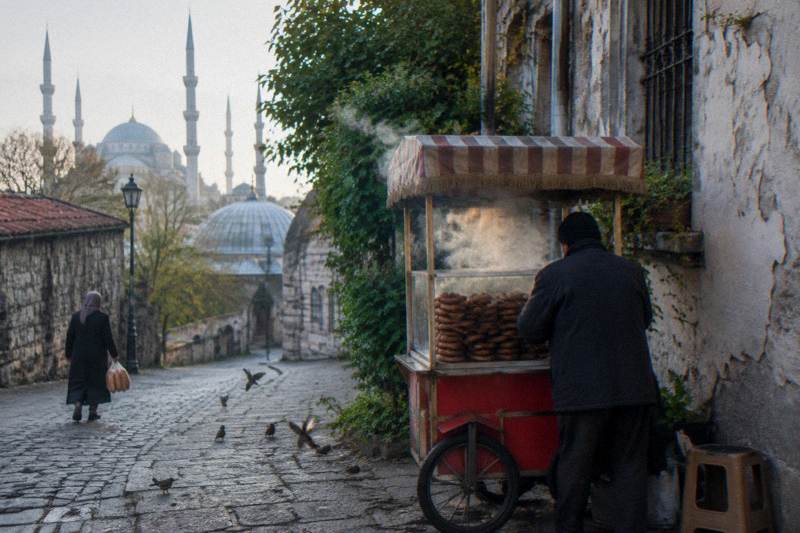
Free Things To Do On The Asian Side Of Istanbul: A Practical Guide
Most visitors never cross the Bosphorus, which is a shame, because the Asian side gives away its best parts: shoreline walks, hilltop views, street life and the only free guided walk in the roster that crosses between continents.
Short answer
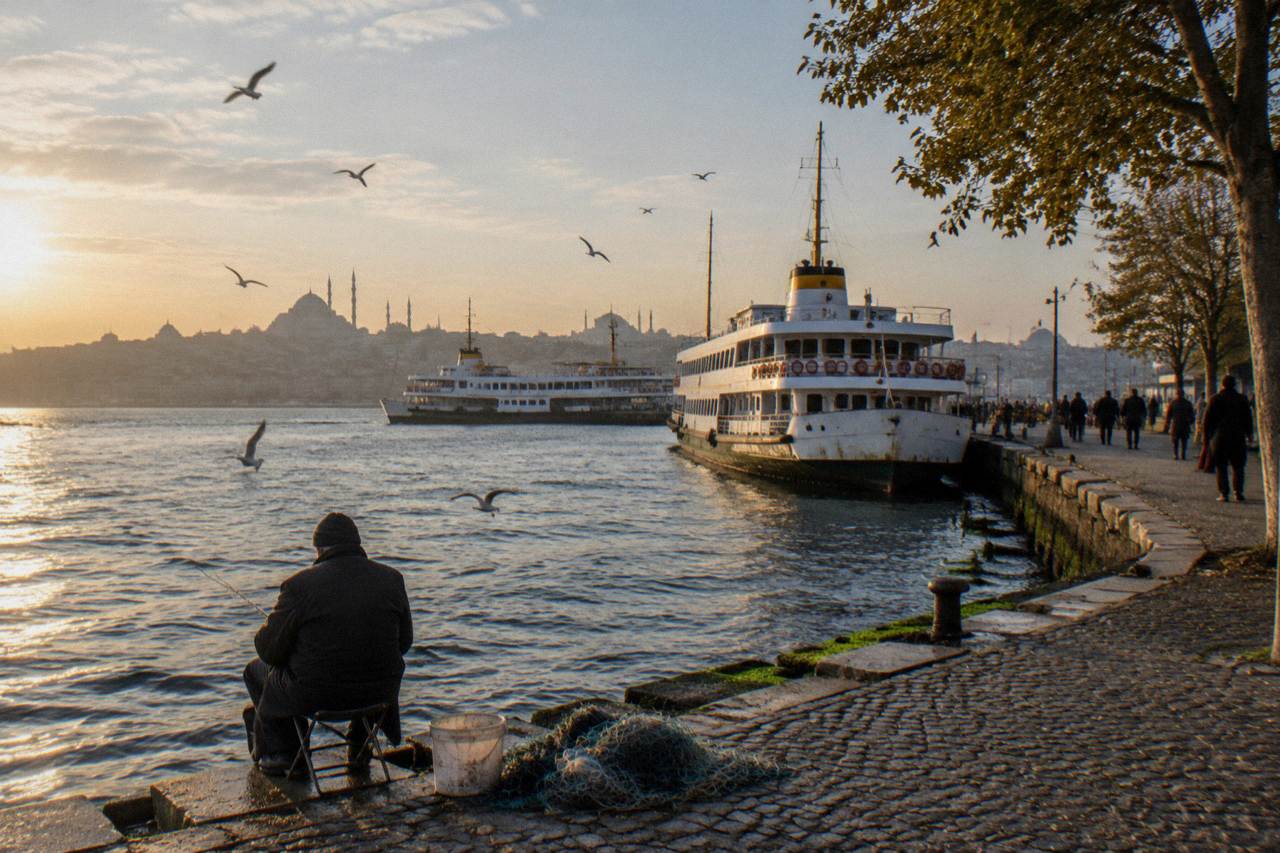
The Asian side's free highlights are the Kadıköy and Moda shoreline, the streets around the Üsküdar waterfront, and the free park at Çamlıca Hill. One free walking tour, rated 4.94 across 2,735 GuruWalk reviews, crosses from the Old City to Asia by ferry. The ferry itself is paid public transit, about 46.20 TL a ride with an Istanbulkart.
Istanbul's Asian shore is where the city stops performing for visitors and simply gets on with life, and almost none of it charges admission. The streets of Kadıköy, the Moda shoreline, the Üsküdar waterfront and the park on Çamlıca Hill are all open, free and, in several cases, better in the late afternoon than at any other hour. The catch is that almost everything written about the city's free side, including this site's own free walking tours in Istanbul guide, concentrates on the European bank, so travellers arrive believing Asia is a day trip for the committed. It is not, and correcting that imbalance is a large part of the reason Free Things To Do In Istanbul exists. A single cheap ferry ride separates the two shores, and the guide below lays out what costs nothing once you are there.
What Is Actually Free On The Asian Side Of Istanbul?
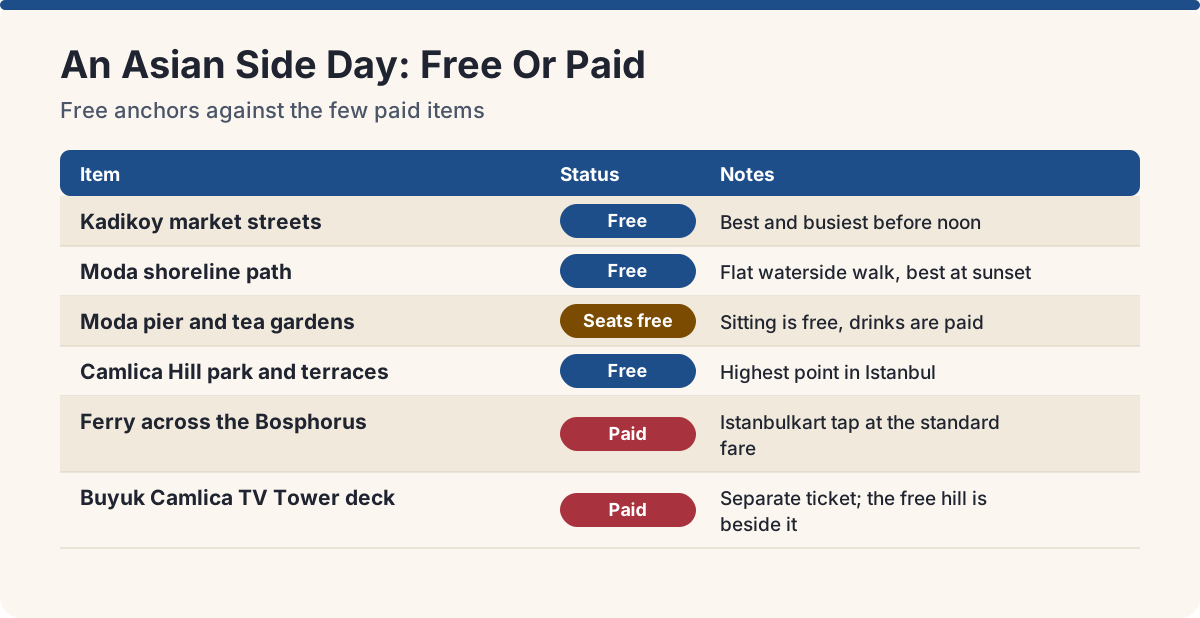
The free list is substantial: the Kadıköy market streets, the Moda shoreline walk, the Üsküdar waterfront promenade, the parks and viewpoints on Çamlıca Hill, and entry to the district's mosques as places of worship. What is not free is getting there and back, since every Bosphorus crossing is paid public transit at roughly 46.20 TL per ride on a full Istanbulkart, and the observation deck atop Çamlıca's TV tower is separately ticketed.
Two distinctions do a lot of work here, and both come straight from this site's verification records. First, ferries are cheap but not free: the Bosphorus commuter ferry and the Princes' Islands services both run at standard Istanbulkart transit fares, and neither is modelled as a free activity. Second, Çamlıca Hill is a free public park with a free hilltop view, while the Büyük Çamlıca TV Tower's observation deck inside that park is a ticketed attraction run by a separate operator. Collapsing either pair into a single "free" or "paid" claim is exactly the mistake this guide exists to prevent.
The mosques deserve their own sentence, because the rule is city-wide rather than Asian-side specific. Under the General Directorate of Foundations, which manages the fabric of the imperial mosques, entry as a worshipper or visitor is free, with modest dress expected. That is a different rulebook from the Ministry of Culture's paid museum tickets layered on places like Hagia Sophia's upper gallery, and the two are never blended; treating them as one system is how travellers end up wrongly assuming a mosque ticket exists.
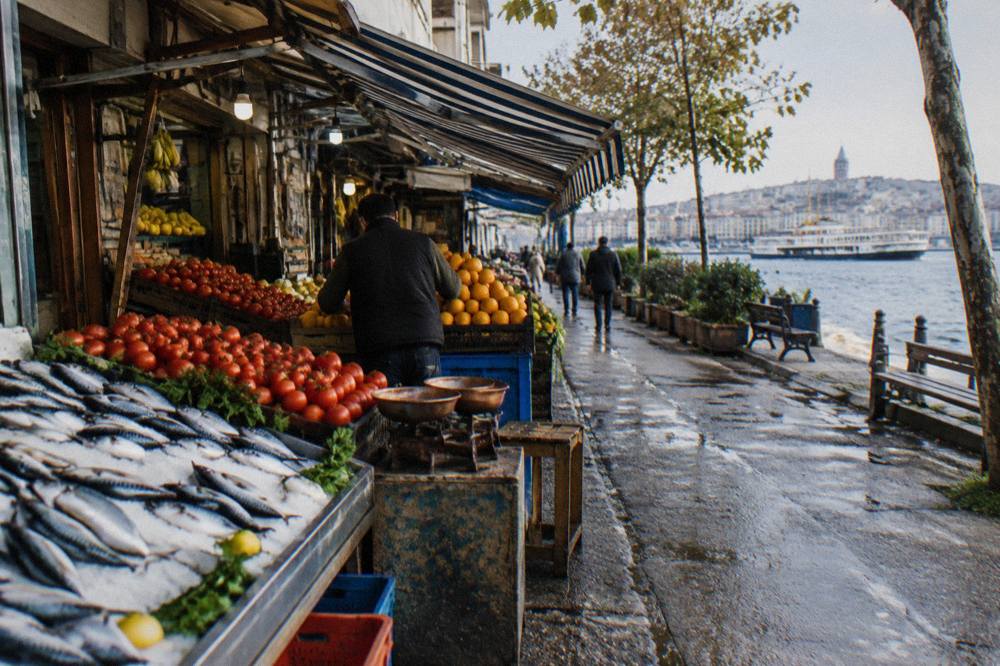
For planning purposes, the free Asian-side day splits into three anchors: Kadıköy and Moda in the south, the Üsküdar waterfront in the middle, and Çamlıca Hill above it. A realistic free loop starts at the Kadıköy ferry terminal, walks the market streets, follows the Moda shoreline west, then takes a second short ferry hop to Üsküdar for the waterfront and, if legs allow, the climb or bus up to Çamlıca. Everything in that loop except the two ferry rides is free.
Is There A Free Walking Tour Of The Asian Side?
Yes, exactly one. The roster of 33 verified GuruWalk walks plus the freetour.com exclusive contains a single tour that crosses to the Asian shore: two and a half hours in English, rated 4.94 across 2,735 GuruWalk reviews, meeting at Cankurtaran before the ferry crossing. Every other free walk in the roster stays on the European bank, so guided coverage of Asia itself is thin and that crossing walk is the best option. This stop sits on a free walking route, Best-Of Walk, English Or Spanish.
That walk, the Two Continents tour, is the practical answer to the search that brings most people to this page. It meets near Soğuk Çeşme Street in Cankurtaran, spends its first half in the Old City, and uses the public ferry to reach the Asian shore, which means the guide's expertise covers the crossing itself and the arrival rather than a deep circuit of Kadıköy. The ferry fare is a separate, small transit cost, and the walk itself is free to reserve with the guide paid by tips, the model this site's is a free walking tour in Istanbul actually free article unpacks honestly.
The reason the roster looks lopsided is structural rather than lazy. Free-walking-tour economics cluster where foot traffic and tip volume are highest, and that is Sultanahmet, Galata and the bazaar districts. The full catalogue breaks down into 16 Old City walks, five in Galata and Beyoğlu, six food and daily-life walks, three in Fener and Balat, one of them the freetour.com exclusive, two night walks and two on the Two Continents theme: the crossing walk itself and a Kadıköy local-life walk. Anyone who wants a guided experience of Asia specifically is choosing between those two and self-guiding with a good map. A free walk covers this ground: Greek, Jewish & Armenian Balat.
If a guided walk matters more to you than the destination, the European-side alternatives are strong, and the selection below contrasts the crossing walk with two of the roster's most flexible Old City options.
For visitors who prefer a shorter, compact Old City walk before heading to Asia independently, the Premium Old Gems tour deserves a mention: it runs an hour and fifteen minutes, is rated 4.75 across 186 GuruWalk reviews, and operates in both English and Spanish from Binbirdirek. It is the shortest cardable walk in the roster, which makes it a realistic morning warm-up before an afternoon ferry. Its own neighbourhood is Sultanahmet, and its focus is the imperial core around the Hagia Sophia and Blue Mosque, where entry follows the worship-not-ticket model described earlier.
A longer alternative is the Discover Istanbul walk, rated 4.91 across 1,803 GuruWalk reviews, two and a half hours, running in both English and Spanish from Sultan Ahmet Park. With a review pool that size, the rating carries real weight rather than the thin-sample caution this site applies to walks with a handful of reviews. It covers the essential Old City ground, which pairs well with a self-guided Asian afternoon.
What Are The Best Free Things To Do In Kadıköy And Moda?
Kadıköy's free attractions are its market streets, the bull statue square, the bar and cafe streets around Yeldeğirmeni, and the Moda shoreline path that runs along the Sea of Marmara with open water views the whole way. None of it is ticketed, gated or timed; the district's entire appeal is unstructured street life, which also means the best plan is no plan beyond arriving by ferry and walking west along the water.
Start where the ferry drops you. The Kadıköy terminal opens directly onto the market district, a dense grid of produce stalls, fishmongers, delis and coffee roasters that costs nothing to wander and functions as the neighbourhood's living room. The bull statue a few minutes inland is the standard meeting point for locals and the unofficial centre of the district. From there, the streets south and east toward Yeldeğirmeni hold the murals, cafes and residential texture that people usually mean when they say Kadıköy feels more like Berlin's neighbourhoods than Istanbul's tourist core.
The shoreline is the free headline. The path from the ferry terminal around the Moda peninsula is flat, public and continuous, passing the Moda pier, the tea gardens and the rocky beach sections where locals swim in summer. At sunset it faces west across the water toward the historic peninsula, which makes it one of the city's genuinely free great views: the silhouette of the Old City, including the currently scaffolded Hagia Sophia dome, seen from the opposite shore. Bring nothing but time.
One guided option does exist on the Asian side itself, and it is worth knowing about even though it is a small operation. The Local Living and Street Tasting walk meets on Rıhtım Caddesi in Caferağa, a few minutes from the Kadıköy ferry terminal, runs two hours in English and is rated 4.75 across 380 GuruWalk reviews. It is the only roster walk that starts on Asian soil, and its focus is daily life and street food culture rather than monuments. The food you taste along it is paid separately; the walk itself is free to reserve.
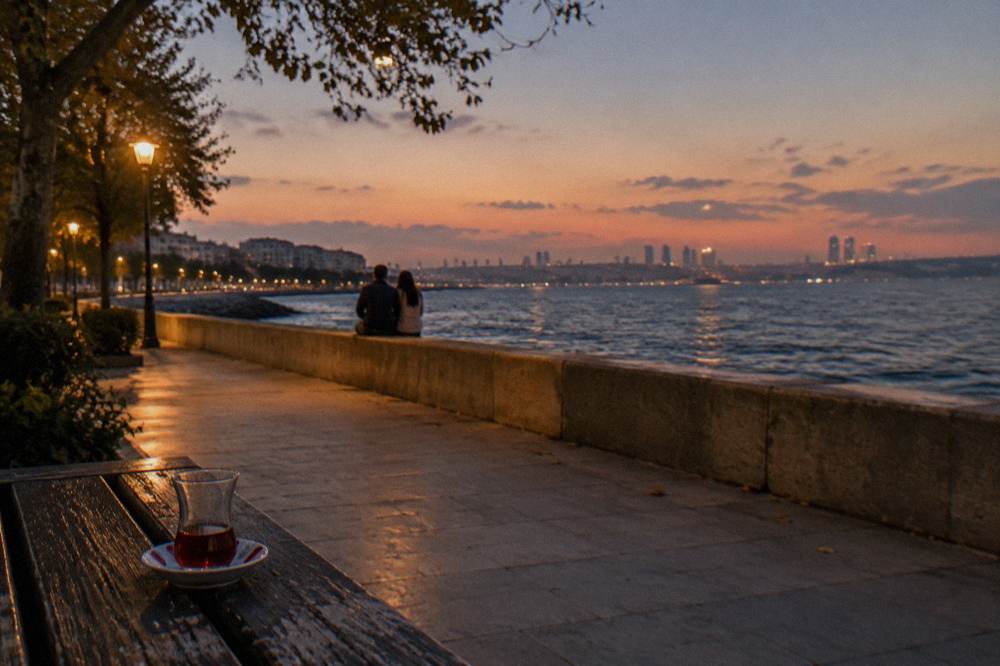
For self-guided structure, this table maps the free anchors of Kadıköy and Moda against what each actually offers:
| Free anchor | What it is | Best time | Notes |
|---|---|---|---|
| Kadıköy market streets | Produce, fish and deli grid behind the ferry terminal | Morning | Free to wander, busiest and most atmospheric before noon |
| Bull statue square | Local meeting point, cafes radiating outward | Anytime | Standard landmark reference for directions |
| Yeldeğirmeni streets | Murals, cafes, residential texture | Afternoon | A short walk east of the terminal |
| Moda shoreline path | Flat public waterside walk around the peninsula | Sunset | Faces the Old City skyline across the water |
| Moda pier and tea gardens | Free seating with sea views | Late afternoon | Drinks are paid, sitting is not |
What Can You See For Free In Üsküdar?
Üsküdar's free attractions are its waterfront promenade facing the European shore, the historic mosque courtyards that are open to visitors as places of worship, and the views back across the Bosphorus toward the Topkapı peninsula. The district is compact enough to cover on foot in two unhurried hours, and its waterfront is the closest the Asian side comes to a postcard view of the Old City across the water. One of the free walking routes passes through here: Audio-System Tour, In Spanish.
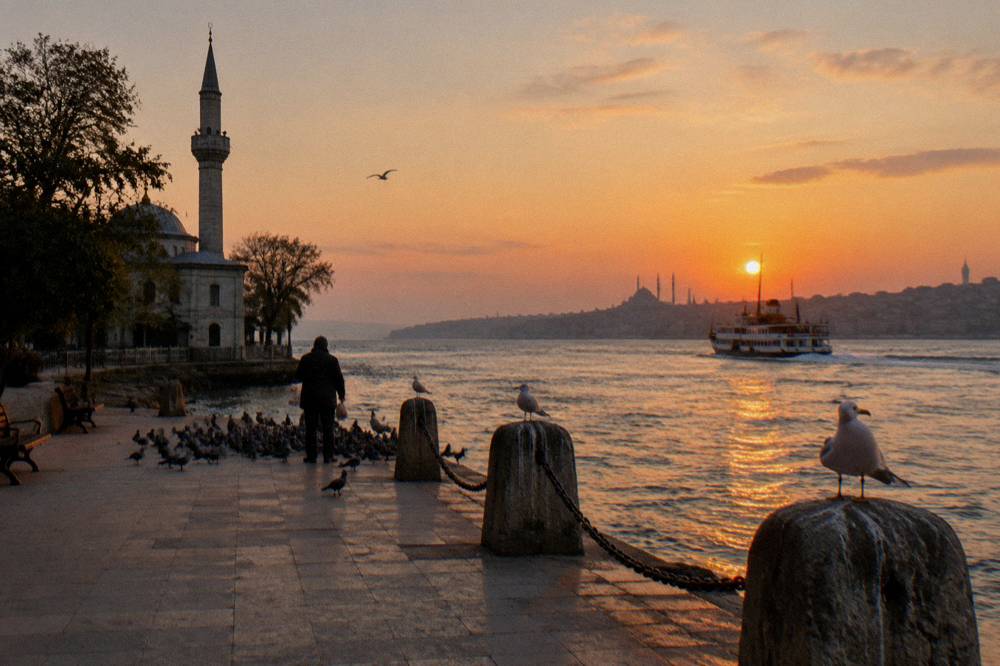
The promenade is the reason to come. It runs along the shore facing the historic peninsula, and from its benches the Topkapı district, the Bosphorus bridges and the passing ferry traffic compose themselves into the view most people assume you need a paid Bosphorus cruise to get. You do not. The commuter ferry that brought you here already crossed that same water at transit fare, and sitting on the Üsküdar shore afterwards costs nothing at all. The site's free Bosphorus views without a boat ticket guide collects the other spots in the same family.
The mosques follow the city-wide rule described earlier: free to enter as a worshipper or visitor, modest dress required, and managed under the foundations directorate rather than any museum ticketing system. Üsküdar's historic mosques sit within a short walk of the ferry terminal, and their courtyards double as quiet resting points on a walking circuit. Prayer times pause visitor access briefly, and those windows shift later through autumn as daylight shortens, so an on-site check beats any printed schedule.
Above the waterfront, the ground rises toward Çamlıca, which is covered next. Üsküdar is also the practical staging point for that climb, with buses running up the hill from near the ferry terminal for the standard transit fare. Walking up is free and takes the better part of an hour on steep streets; the bus costs one Istanbulkart tap and saves the knees.
Is Çamlıca Hill Free To Visit?
The hilltop park on Büyük Çamlıca is free to enter and offers the widest public view over the Bosphorus and both shores. The TV tower inside the same park is a separate paid attraction with its own ticketed observation deck, so the view from the park is free and the view from the tower is not. The free one is what most visitors come for anyway.
This is the clearest example on the Asian side of what this site's verification records call the free-hill-paid-tower trap, and it appears three times across Istanbul: Çamlıca Hill against the TV tower, Pierre Loti Hill against the Eyüp cable car, and Yıldız Park against the Yıldız Palace Museum inside it. In each case the park, hilltop or grounds are free public space, and in each case a separate operator sells tickets to a structure or deck within it. The records model each pair as two facts, never one inherited claim, and this guide follows that rule.
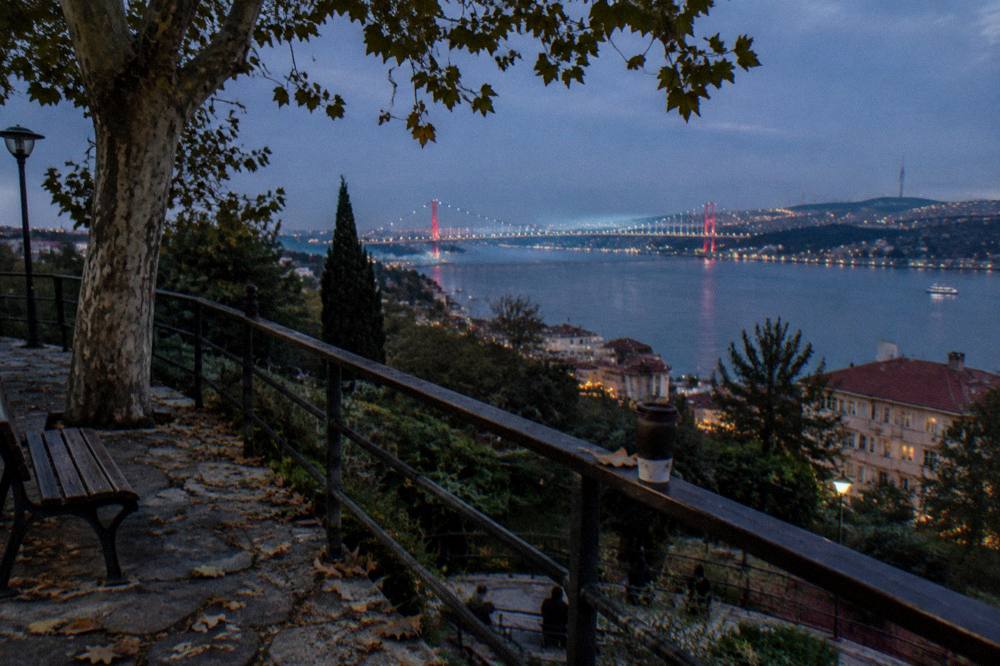
Practically, the free park experience on Çamlıca is generous: lawns, walkways, shaded terraces and a panorama that takes in the Bosphorus bridges, the Black Sea entrance on clear days and the entire historic peninsula. The cafes within the park sell paid drinks, but the benches, paths and views are public. The park is large enough that the quieter terraces away from the main entrance feel like a different place entirely, and the walk between them is part of the visit rather than a detour. Sunset is the peak hour, and the park stays busy with locals rather than tour groups, which is itself part of the appeal.
How Much Does It Cost To Get To The Asian Side?
The ferry is the only realistic way across, and it is paid public transit rather than a free activity: the full single-ride Istanbulkart fare is 46.20 TL, many Bosphorus ferry routes run roughly 53 to 59 TL, and the card itself costs around 165 TL before any credit is loaded. A full day of two crossings plus local hops therefore costs a modest transit total, not a tour price, and there is no free crossing of any kind.
The Istanbulkart is the mechanism for all of it. Tourists buy the same anonymous card as residents, from kiosks and machines at the major terminals and airports, load credit, and tap on and off ferries, metros and buses alike. Transfers within a time window are discounted, which matters for the Kadıköy-then-Üsküdar loop described above, since the second ferry of the day costs less than the first. Fare figures are set by the transit authority and adjust periodically, so treat the numbers here as the current planning range and check the machines on arrival.
| Crossing or hop | Rough full fare | What it is |
|---|---|---|
| Eminönü or Karaköy to Kadıköy ferry | ~53-59 TL | Standard Bosphorus commuter ferry, Istanbulkart tap |
| Beşiktaş to Üsküdar ferry | ~53-59 TL | Short cross-Bosphorus hop, frequent service |
| Bus up to Çamlıca Hill | 46.20 TL | Regular public transit, one tap |
| Istanbulkart itself | ~165 TL | One-time card cost, separate from credit |
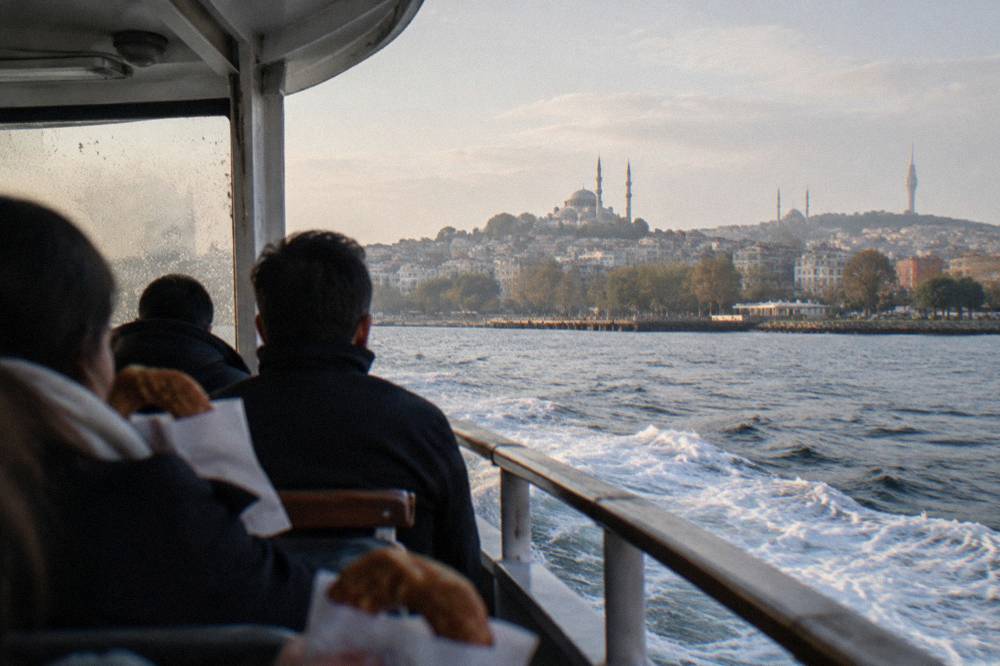
The ferry ride deserves its own framing, because it is the experience most guidebooks undersell. A crossing on the open water, tea in hand if you buy it from the deck attendant, with the skyline sliding past on both sides, is the cheapest sightseeing in the city, and it doubles as transport. The same tapped card that brought you across works on the buses and metros on either shore, so the ride is also the moment the whole transit system starts to feel familiar rather than foreign. The site's how to visit the Princes Islands cheaply article applies the same logic further out in the Sea of Marmara.
How Do You Plan A Free Day On The Asian Side?
A realistic free day runs Kadıköy in the morning, the Moda shoreline at midday, a ferry to Üsküdar in the afternoon and Çamlıca Hill for sunset, with the only paid items being two or three transit fares and anything you eat. Total unavoidable cost is a handful of transit taps; total walking distance is significant, so comfortable shoes and a ferry-spread rhythm matter more than any ticket strategy.
Timing shapes the day more than route does. The market streets of Kadıköy are at their best before noon, when the produce and fish stalls are fully stocked and the district is working rather than resting. The Moda shoreline works at any hour but peaks at sunset, which is awkward if you also want sunset from Çamlıca, so pick one or the other rather than racing between them. Autumn and winter push prayer-time pauses at mosques later in the day, which slightly widens the visiting windows at Üsküdar's mosques in the afternoon.
The guided-walk question resurfaces here, because a self-guided Asian day pairs naturally with a guided European morning. The roster's Galata and Beyoğlu walks are the geographically closest European option to the Karaköy ferry terminals, and one of them, the Cool Yeah Heard What walk, runs two hours in English from the Arap Cami district, is rated 4.82 across 153 GuruWalk reviews, and covers the Karaköy and Galata streets that sit directly opposite the Kadıköy ferry route. A morning there, a ferry at noon and a self-guided Kadıköy afternoon is a coherent two-continent day.
For anyone weighing the guided option against the numbers, this comparison table is the honest summary:
| Option | Cost to reserve | What you get | Guide payment |
|---|---|---|---|
| Self-guided Asian side day | Transit fares only | Full flexibility, your own pace | None |
| Two Continents free walk | Free | Two and a half guided hours, Old City plus the ferry crossing | Tips |
| Local Living and Street Tasting walk | Free | Two guided hours of Kadıköy daily life, food paid separately | Tips |
| Premium Old Gems walk | Free | A compact hour and fifteen minutes of the Old City before a ferry | Tips |
What Should You Not Miss, And What Should You Skip?
Do not miss the Moda shoreline at sunset, the Kadıköy market streets in the morning and the free park view from Çamlıca Hill. Skip the TV tower observation deck unless a deck specifically matters to you, skip any driving-based plan since a car defeats the district's walkability, and skip trying to compress both Kadıköy and Çamlıca into a rushed half day, which turns the district's best qualities into a checklist.
The one thing worth repeating is that the Asian side's value is density of ordinary life, not monuments. There is no Hagia Sophia equivalent waiting across the water, and travellers who arrive expecting one are disappointed while travellers who arrive expecting street life are not. That is also why the guided roster is thin here: the product that free-walk guides sell, a narrative route past landmark after landmark, simply has less raw material on the Asian shore, and the walks that do exist sell daily life instead. It is also why this guide keeps sending you to shorelines and market streets rather than to ticket desks; on this side of the water, the free list and the best list are close to the same list. One of the free walking routes passes through here: 3-Hour Old City & Daily Life.
If a guided walk remains the priority, the roster's strongest English-language options across the whole city are worth a final look, and the band below contrasts three of them, including the crossing walk that started this guide.
Common Questions About Free Things To Do On The Asian Side Of Istanbul
Is there a free walking tour on the Asian side of Istanbul?
One roster walk starts on Asian soil, the Local Living and Street Tasting tour in Kadıköy, rated 4.75 across 380 GuruWalk reviews. One other walk, the Two Continents tour rated 4.94 across 2,735 GuruWalk reviews, crosses to Asia by ferry from the Old City. All other free walks in the 33-walk GuruWalk roster are on the European side.
Is the ferry to the Asian side free?
No. Ferries are paid public transit. The full single-ride Istanbulkart fare is 46.20 TL and many Bosphorus ferry routes run roughly 53 to 59 TL, with the card itself sold separately for around 165 TL.
Is Çamlıca Hill free?
The hilltop park is free to enter and its panoramic view over the Bosphorus costs nothing. The Büyük Çamlıca TV tower's observation deck inside the park is a separate paid attraction with its own ticket.
What is the best free thing to do on the Asian side?
The Moda shoreline walk at sunset, facing the Old City skyline across the water, is the most commonly recommended free experience, followed by the Kadıköy market streets in the morning and the Üsküdar waterfront promenade.
Are the mosques on the Asian side free to enter?
Yes, as places of worship under the foundations directorate, entry as a worshipper or visitor is free, with modest dress required. Visitor access pauses briefly around prayer times, which shift later through autumn and winter.
Can you do the Asian side as a day trip from Sultanahmet?
Yes, and it works well. Two ferry crossings plus a bus tap up to Çamlıca total a modest transit cost, and a realistic loop of Kadıköy, the Moda shoreline and Üsküdar fits comfortably into a day at walking pace.